Have you ever sat down to sign a rental agreement or a car lease and stumbled over the words lessor or lessee? You are not alone.
Thousands of people search for this topic every month because these two legal terms are easy to mix up.
The confusion usually comes from the fact that they look and sound very similar, yet they represent two completely opposite roles.
If you are about to rent an apartment, lease a car, or sign a business contract, understanding the difference is crucial.
Using the wrong term could lead to misunderstandings about who is responsible for paying, maintaining the property, or covering damages. This article solves that confusion once and for all.
We will break down the simple meaning of each word, explore where they came from, and give you practical tips so you never forget whether you are the lessor or the lessee.
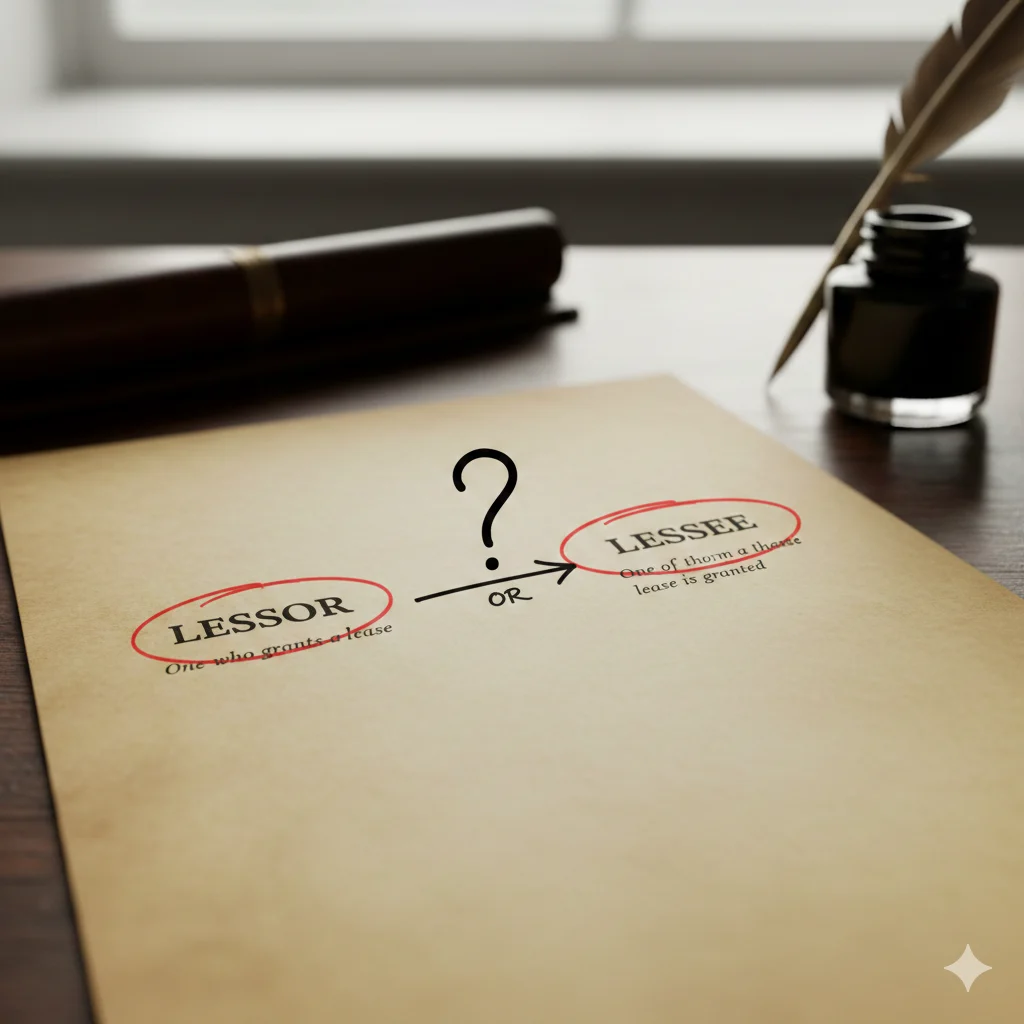
Lessor or Lessee means
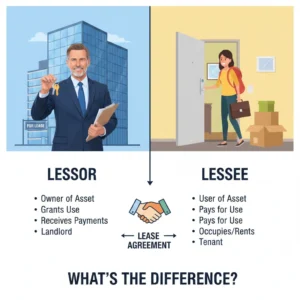
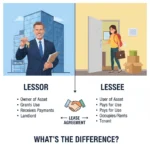
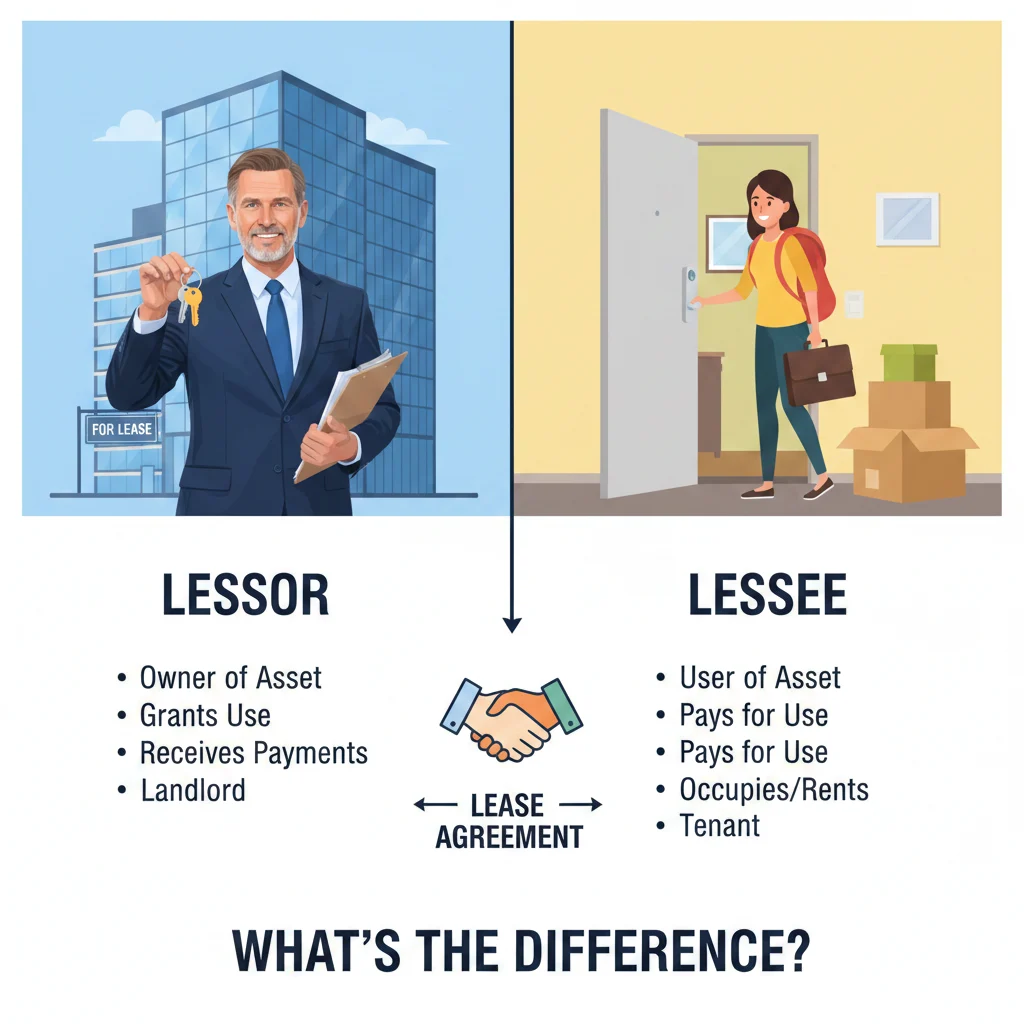
The difference is simple: the lessor is the owner who lets someone use the property, and the lessee is the person who pays to use it.
- Lessor: The landlord or owner. They grant the lease.
- Example: If you own a house and rent it out to a family, you are the lessor.
- Lessee: The tenant or renter. They sign the lease to gain access.
- Example: If you rent an apartment and pay rent every month, you are the lessee .
Think of the last letter of the words: Lessor = Owner. Lessee = the one who pays the leese .
The Origin of Lessor and Lessee
To understand why these words exist, we have to look back at the history of the English language. Both words come from the Anglo-French legal system, which heavily influenced English law after the Norman Conquest .
The root word is “lease,” which comes from the Old French word lesser, meaning “to let go” or “to let out.” When you add a suffix to a root word, it changes who is performing the action.
- The suffix -or (or -er) means “the one who does something.” So, the lessor is the one who grants the lease .
- The suffix -ee means “the one to whom something is done.” So, the lessee is the one who receives the lease .
This is the same pattern we see in other word pairs: an employer hires an employee, and a trainer trains a trainee.
British English vs American English Spelling
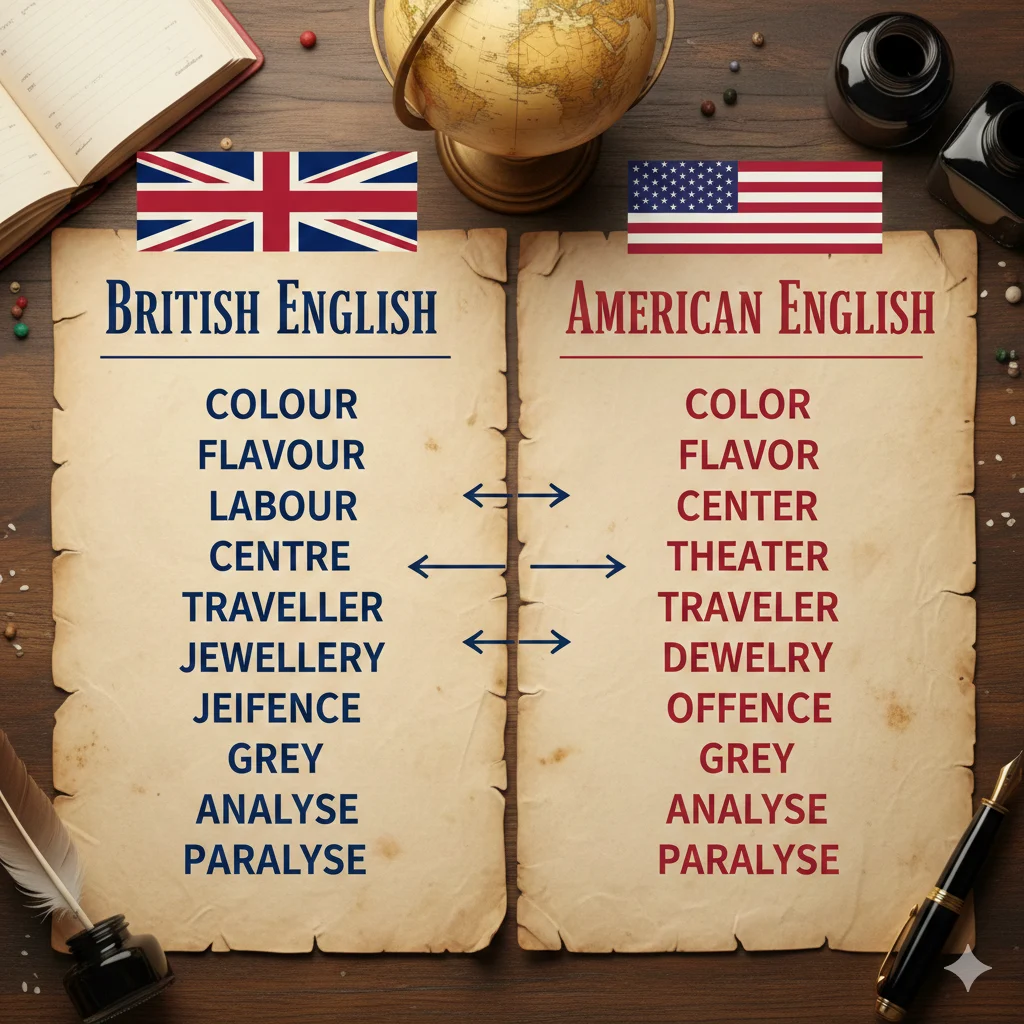
Here is some good news: when it comes to the words lessor and lessee, the spelling is the same in both British and American English. These are formal legal terms, so their spelling is standardized across the globe to avoid legal confusion .
However, the words they are often replaced with—landlord and tenant—do not have the same legal weight everywhere. In everyday conversation, Americans and Brits prefer different terms. In the US, “landlord” and “tenant” are used for property rentals. In the UK, you might also hear “landlord” and “tenant,” but legal documents will still use the formal “lessor” and “lessee.”
| Term | British English Usage | American English Usage | Context |
|---|---|---|---|
| Lessor | Used in formal contracts | Used in formal contracts | Legal owner granting the lease |
| Lessee | Used in formal contracts | Used in formal contracts | Person renting the asset |
| Landlord | Common in casual speech | Common in casual speech | Usually refers to property owner |
| Tenant | Common in casual speech | Common in casual speech | Usually refers to property renter |
Which Spelling Should You Use?
If you are writing a legal document, a business contract, or discussing a corporate lease (like for heavy machinery or a storefront), you must use the formal terms: lessor and lessee .
However, if you are writing a casual blog post, a simple email to your tenant, or posting on social media about renting, you can use the common terms:
- In the US or Canada, use Landlord (instead of lessor) and Tenant (instead of lessee).
- In the UK or Australia, use Landlord (for lessor) and Tenant (for lessee) as well .
When in doubt, look at your audience. If you are talking to lawyers or accountants, stick with lessor and lessee. If you are talking to everyday people, “landlord” and “tenant” are safer and clearer.
Common Mistakes with Lessor and Lessee
Because these words look so similar, people make predictable errors. Here are the most frequent mistakes and how to fix them.
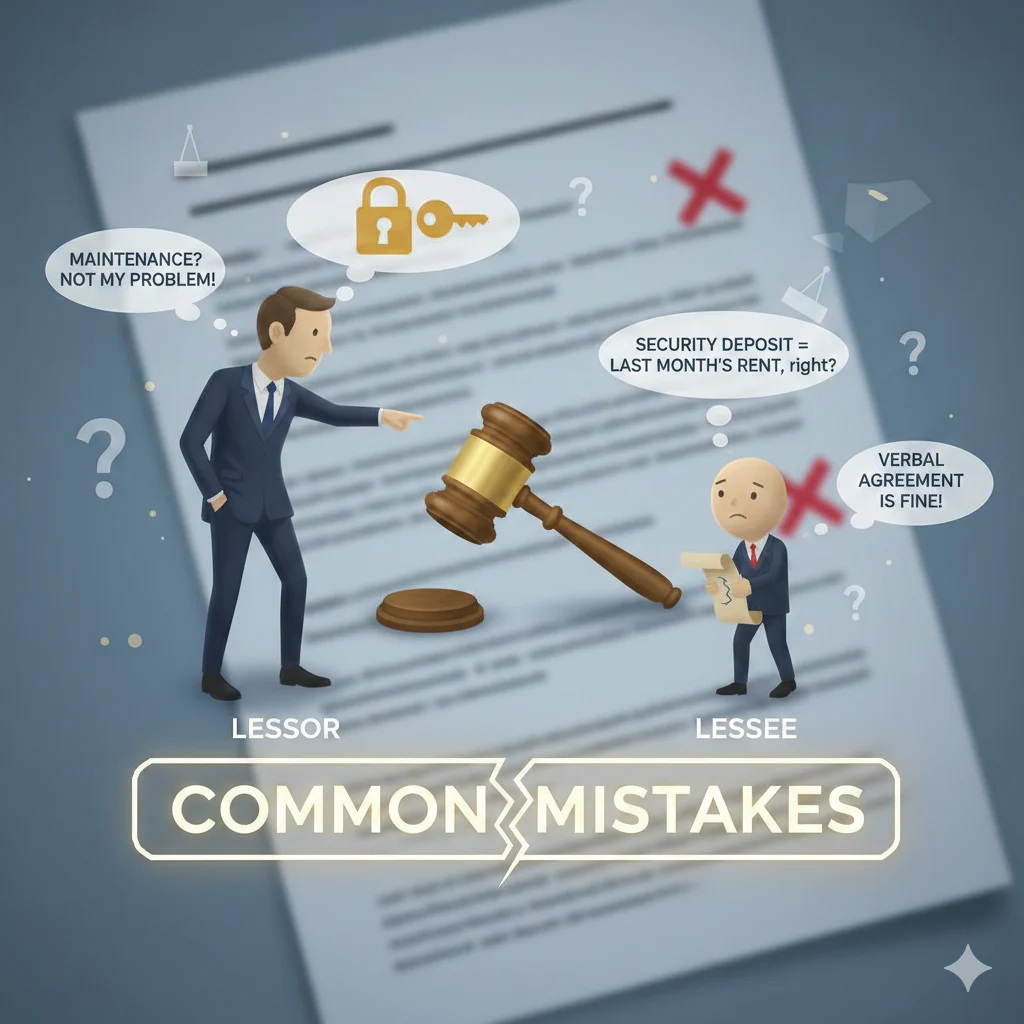
- Confusing Lessor with “Lesser”
This is the most common grammar mistake. Lesser means “smaller” or “not as important.” Lessor means “landlord.”- Incorrect: The lesser must fix the roof.
- Correct: The lessor must fix the roof.
- Tip: If you are talking about size or value, use “lesser.” If you are talking about a lease, use “lessor.”
- Mixing up Who is Who
People often think the lessor is the renter because it sounds like “lease.” Remember: Lessor = Owner. - Mispronunciation
- Lessor: It is pronounced les-SOR or LES-or. The stress can be on either syllable .
- Lessee: It is pronounced les-SEE. The stress is on the second syllable .
- Assuming it Only Applies to Houses
A lessor and lessee agreement can be for anything: a car, a piece of heavy machinery, an animal, or even intellectual property like software .
Lessor or Lessee in Everyday Examples
Seeing these words in context helps solidify the difference. Here is how they appear in the real world.
- In an Email (Formal):
“Dear Mr. Smith, As the lessee of unit 4B, you are responsible for notifying the lessor of any maintenance issues immediately.” - In the News (Business):
“The airline, as the lessee, has filed for bankruptcy, leaving the lessor stuck with three idle planes.” - On Social Media (Casual):
“Just became a lessor! Closed on my first rental property today. 🏠”
Reply: “Nice! Hope you find a great lessee!” - In an Accounting Report:
“Under the new accounting standards, the lessee must record the asset on their balance sheet if it is a finance lease.” - In a Lease Agreement:
“This agreement is entered into between the Lessor (Owner) and the Lessee (Renter). The Lessor agrees to provide a habitable premises, and the Lessee agrees to pay rent on the first of each month.”
Lessor or Lessee – Google Trends & Usage Data
Based on search data and common usage, “lessee” is searched slightly more often than “lessor,” usually because people are trying to figure out what to call themselves when they rent something.
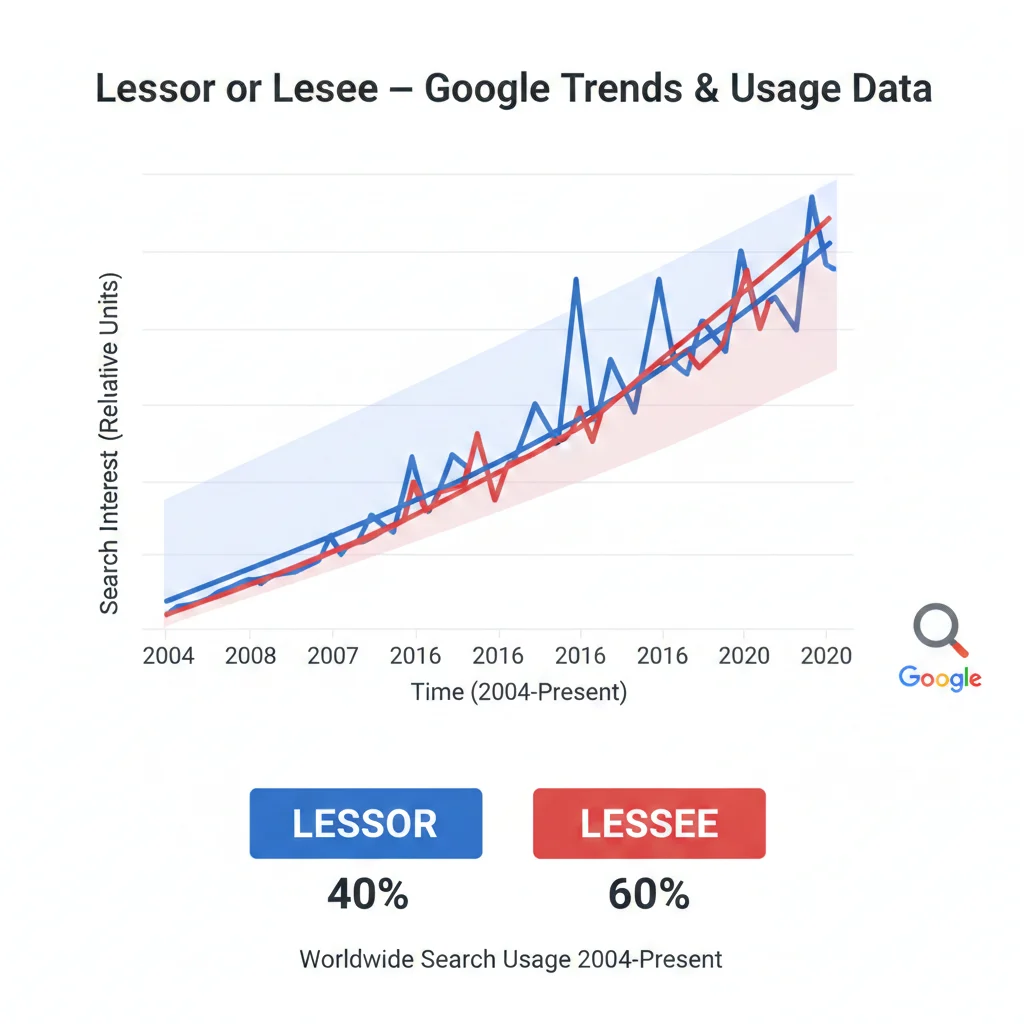
- By Country: The terms are searched most frequently in the United States, followed by the United Kingdom, Canada, and Australia. In the US, searches often lead to queries like “lessee vs lessor car” because of the popularity of car leasing. In the UK, searches are more likely tied to “lessor and lessee agreement” for property rentals.
- Contextual Usage:
- Real Estate: People use “landlord” and “tenant” most often .
- Accounting/Finance: Professionals strictly use “lessor” and “lessee” to discuss assets, liabilities, and tax implications .
- Auto Leasing: Dealerships usually say “lessee” for the driver and refer to the bank as the “lessor.”
| Variation | Meaning | Simple Example |
|---|---|---|
| Lessor | The owner who lets someone use an item. | The lessor owns the car and lets you drive it. |
| Lessee | The customer who pays to use the item. | The lessee pays the bank every month for the car. |
| Landlord | The lessor of a house or apartment. | The landlord fixed the broken sink. |
| Tenant | The lessee of a house or apartment. | The tenant pays $1,200 in rent each month. |
| Lesser | Not as large or important. | This is a lesser problem than the leaky roof. |
Frequently Asked Questions
1. What is the difference between a lessor and a lessee?
The lessor is the owner of the asset (the landlord), while the lessee is the renter (the tenant) who pays for the right to use the asset .
2. Is the landlord the lessor or lessee?
The landlord is the lessor. The landlord owns the property and grants the lease to the tenant .
3. Is the tenant the lessor or lessee?
The tenant is the lessee. They are the party that holds the lease and lives in or uses the property .
4. Am I the lessor or lessee?
If you own the property and are renting it out, you are the lessor. If you are renting the property from someone else, you are the lessee .
5. What is the difference between lesser and lessor?
Lesser means “smaller” or “not as much.” Lessor is a noun that means “a person who grants a lease.” For example: “The lessor had a lesser role in the daily maintenance of the apartment.”
6. What does “unilaterally terminated by a lessor or lessee” mean?
It means one side (either the owner or the renter) ends the lease agreement early without the consent of the other party. This is usually only allowed if the other side breaks the rules of the contract .
7. What is the difference between a lessee and a lessor asset?
An asset is the property or item being leased. The lessor owns the asset, and the lessee uses the asset. For example, in a car lease, the car is the asset; the bank is the lessor (owner), and the driver is the lessee (user) .
8. Who is called a lessee?
A lessee is any person, company, or group that signs a lease to rent property, a car, or equipment from a owner .
9. What is the pronunciation of lessee and lessor?
Lessee is pronounced “les-SEE.” Lessor is pronounced “LES-or” or “les-SOR” .
10. Are lessor and lessee the same as landlord and tenant?
Yes, they refer to the same roles. Lessor is the formal legal term for a landlord, and lessee is the formal legal term for a tenant.
Conclusion
Understanding the difference between lessor or lessee is essential for anyone signing a contract. It removes the guesswork from your responsibilities. To summarize: The lessor is the owner. They are the ones taking on the risk of ownership but also reaping the reward of rental income. The lessee is the tenant. They get the benefit of using the asset without the huge cost of buying it, but they must pay rent and take care of the property .
Whether you are dealing with a lessor and lessee agreement for a house, a car, or a piece of equipment, just remember the simple trick: Lessor = Owner (they share the letter “O”). By keeping this in mind, you will avoid embarrassing mix-ups and ensure you know your rights and obligations every time you put pen to paper.

“Laurence Sterne was a creative, expressive writer known for his unique style. At Wishveb.com, he adds charm and warmth to heartfelt wishes.”