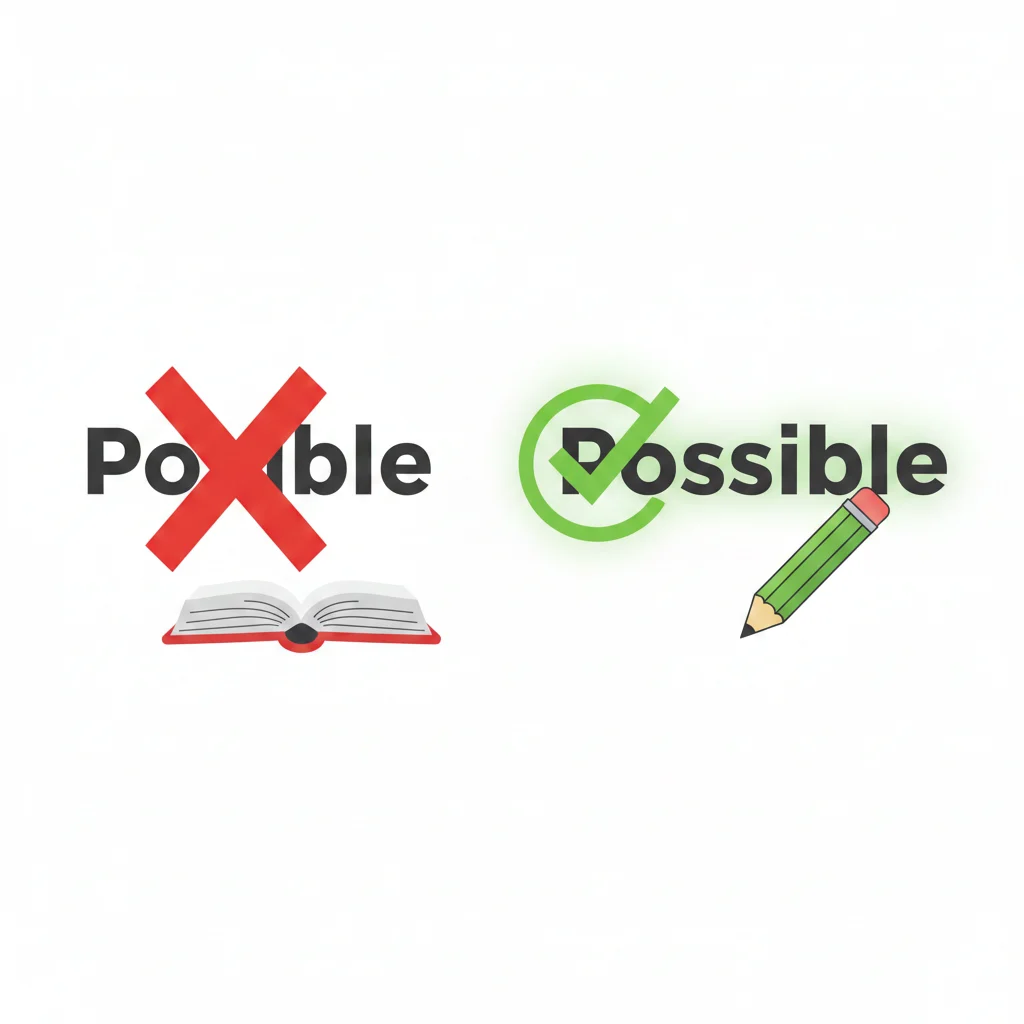
Have you ever stopped while writing and wondered: Is it “posible” or “possible”? You’re not alone. This is one of the most common English spelling confusions, especially for non-native speakers and fast typers.
People search for “posible or possible” because both words look right, sound similar, and appear frequently in daily writing—emails, exams, social media, and even professional documents.
The confusion usually comes from pronunciation, influence from other languages (like Spanish, where posible is correct), or simple typing mistakes.
But here’s the problem: only one spelling is correct in English, and using the wrong one can make your writing look unprofessional or incorrect.
This article solves that confusion completely. You’ll get a quick answer, clear explanations, real-life examples, grammar guidance, spelling comparisons, common mistakes, and even usage trends.
By the end, you’ll know exactly which word is correct, why it’s correct, and how to use it confidently in any situation—formal or casual.
Let’s clear it up once and for all.
Posible or Possible – Quick Answer
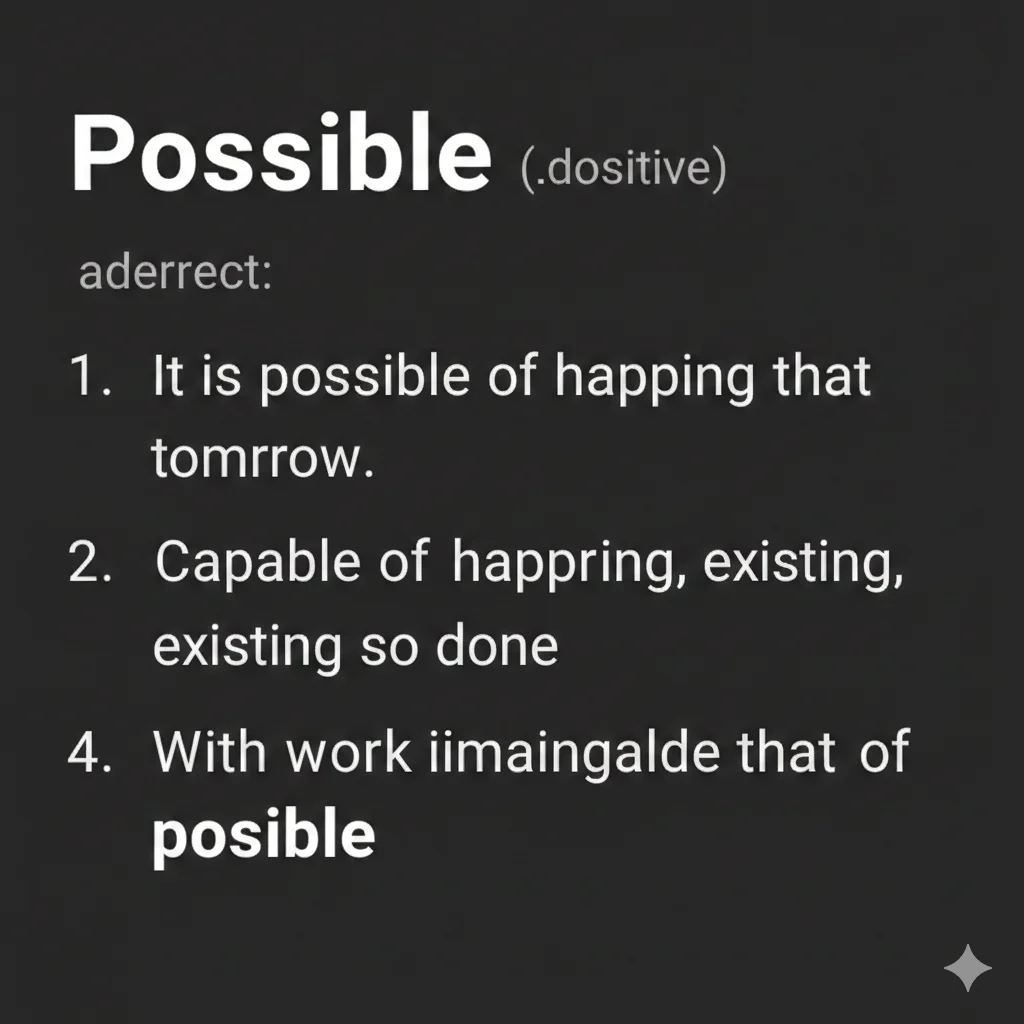
Correct spelling: ✅ Possible
Incorrect spelling: ❌ Posible
The word possible means something that can happen, be done, or exist.
“Posible” is not a correct English word.
Examples:
- ✅ It is possible to finish this work today.
- ❌ It is posible to finish this work today.
If you are writing in English, always use “possible.”
The Origin of Possible
The word possible comes from Latin and French roots.
- Latin: possibilis (meaning “able to be done”)
- Old French: possible
- Middle English: adopted as possible
English kept the double “s” from its Latin and French origins. Over time, spelling became standardized, and “possible” became the only accepted form.
Why does “posible” exist?
- Influence from Spanish (posible is correct in Spanish)
- Typing quickly and missing one “s”
- Phonetic spelling (writing how it sounds)
That’s why learners often confuse the two—but in English history and dictionaries, “posible” has never been correct.
British English vs American English Spelling
Good news: there is no spelling difference here.
Both British English and American English use the same spelling.
| English Type | Correct Spelling | Example |
|---|---|---|
| American English | Possible | Is it possible to call you later? |
| British English | Possible | It is possible that it will rain. |
| Australian English | Possible | This is possible with training. |
| Canadian English | Possible | Anything is possible. |
Unlike words such as colour/color or centre/center, possible stays the same everywhere.
Which Spelling Should You Use?
Always use possible, no matter your audience.
Writing for:
- 🇺🇸 USA → Possible
- 🇬🇧 UK → Possible
- 🌍 Global / International → Possible
- 📧 Emails → Possible
- 📚 Exams & Academics → Possible
- 💼 Professional Writing → Possible
There is no situation in English where “posible” is correct.
Common Mistakes with Posible or Possible
Here are the most frequent errors and how to fix them:
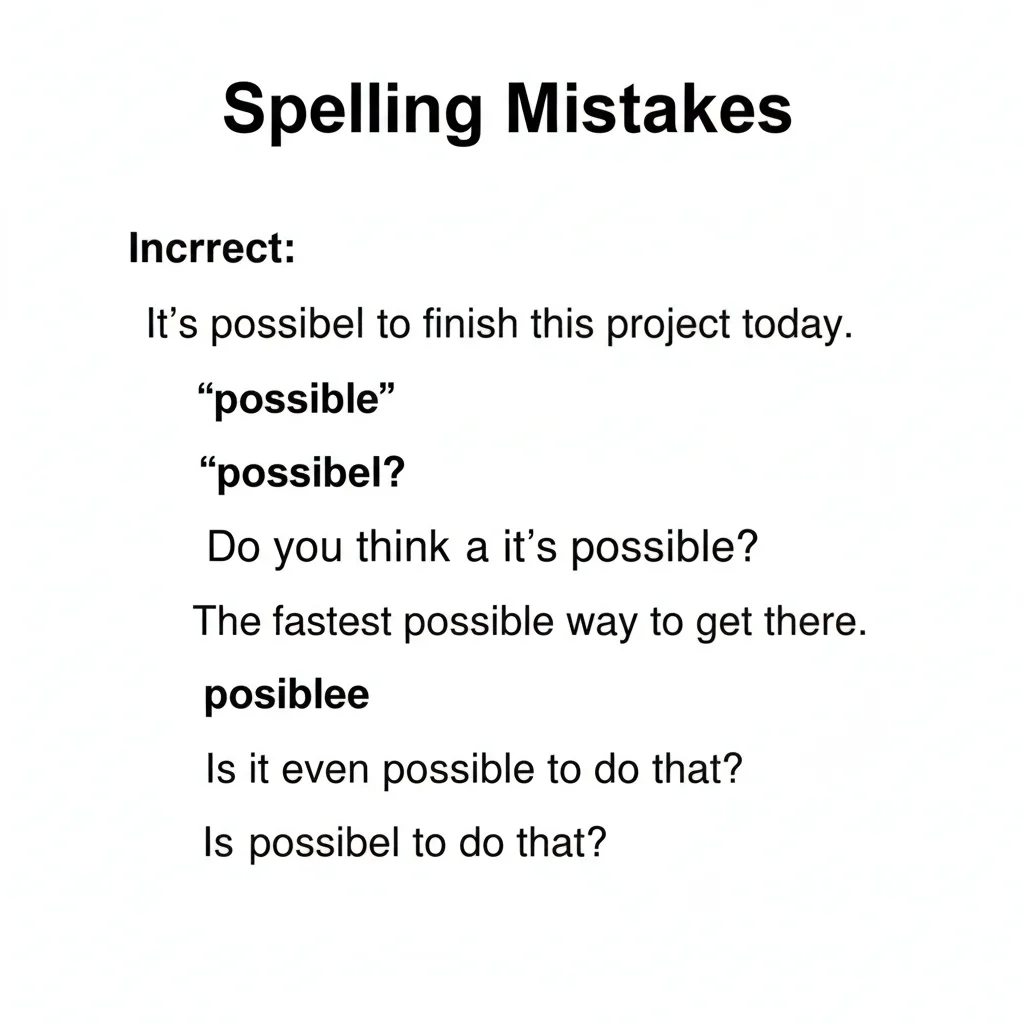
❌ Mistake 1: Dropping one “s”
- Is it posible to join?
✅ Is it possible to join?
❌ Mistake 2: Thinking “posible” is informal
Some people think “posible” is a casual version. It is not.
It’s simply wrong in English.
❌ Mistake 3: Confusing with “probable”
- It is possible ≠ It is probable
Correction:
- Possible = can happen
- Probable = likely to happen
Posible or Possible in Everyday Examples
1. Emails
- Is it possible to reschedule the meeting?
2. News
- It is possible that prices will rise next month.
3. Social Media
- Anything is possible if you believe.
4. Formal Writing
- This method makes it possible to reduce costs.
5. Conversation
- Yes, it’s possible, but not easy.
Posible or Possible – Google Trends & Usage Data
Search data shows that:
- “Possible” is searched millions of times monthly
- “Posible” appears mainly as:
- Misspelling
- ESL learner query
- Spanish-to-English confusion
Popular by country:
- High “posible or possible” searches in:
- India
- Pakistan
- Philippines
- Latin America
This confirms strong learner intent—people want to know the correct form.
And the answer is always the same: possible.
Comparison Table: Posible vs Possible
| Feature | Posible | Possible |
|---|---|---|
| Correct English word | ❌ No | ✅ Yes |
| Dictionary entry | ❌ No | ✅ Yes |
| Used in grammar | ❌ No | ✅ Yes |
| Professional writing | ❌ No | ✅ Yes |
| Meaning | ❌ None in English | ✅ Can happen |
Possible Meaning
Possible (adjective):
Something that can happen, exist, or be done.
Simple meanings:
- Can be done
- Not impossible
- Within limits
Example:
- It is possible to learn English online.
Possible in a Sentence
- Is it possible to finish today?
- Anything is possible with hard work.
- This is the best possible solution.
Possible in Grammar
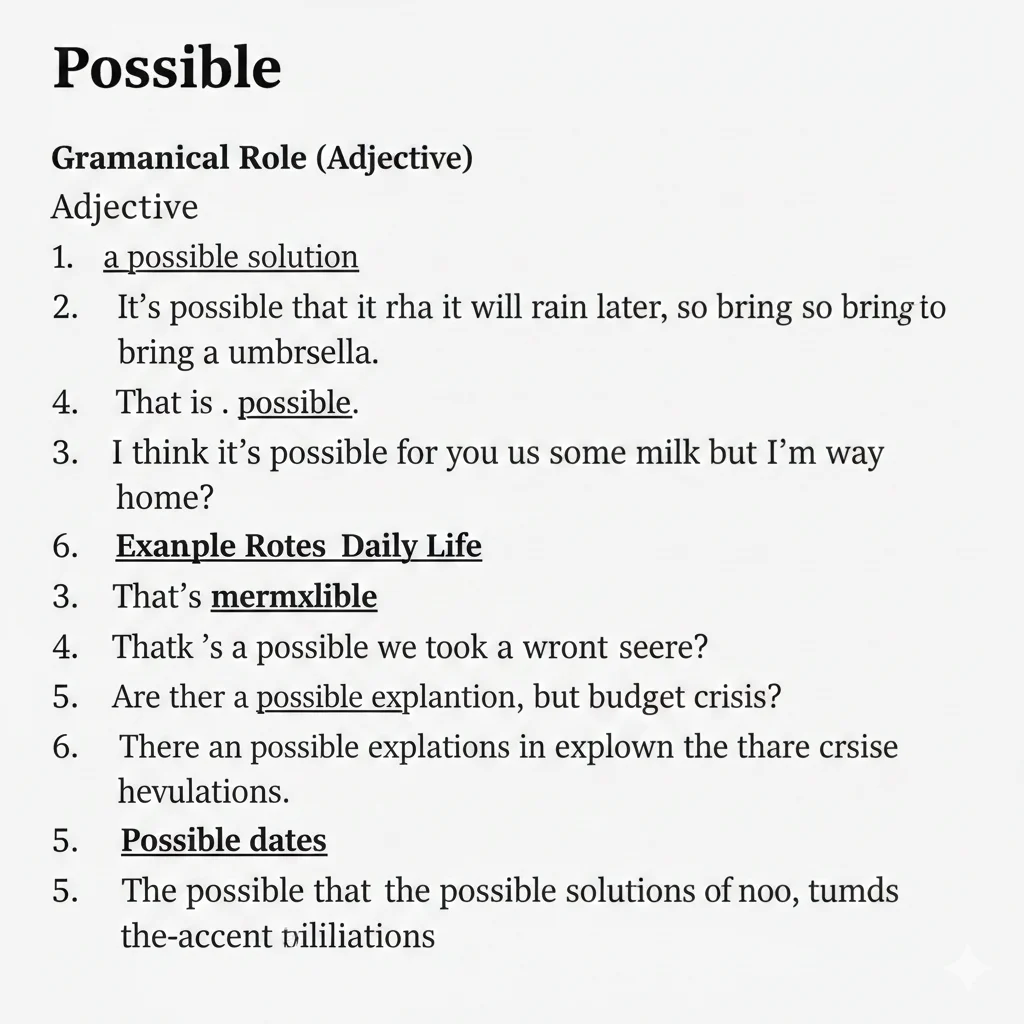
In grammar, possible is an adjective.
Grammar structure:
- Possible + noun
a possible answer - It is possible + to/that
It is possible to win.
Difference Between Possible and Probable
| Word | Meaning | Example |
|---|---|---|
| Possible | Can happen | It is possible to rain. |
| Probable | Likely to happen | Rain is probable today. |
Possible ≠ Probable
Posible or Possible Synonyms
Common synonyms of possible:
- Likely
- Feasible
- Achievable
- Potential
- Doable
FAQs: Posible or Possible
1. What is the word “possible”?
Possible means something that can happen or be done.
2. What is the meaning of “posible”?
Posible has no meaning in English. It is incorrect.
3. Is “posible” ever correct?
Only in Spanish, not in English.
4. What is the difference between possible and probable?
Possible = can happen
Probable = likely to happen
5. What is “possible” in grammar?
It is an adjective used to describe ability or chance.
6. Can I use “possible” in formal writing?
Yes. It is fully correct and professional.
7. How do I remember the spelling?
Think: “possible” has “ss” like “success.”
Conclusion
The confusion between posible or possible is very common, but the rule is simple. In English, “possible” is the only correct spelling. The word comes from Latin and French roots, and both British and American English use the same form. “Posible” is not an English word and should never be used in English writing.
Understanding this difference helps you write with confidence—whether you’re sending an email, writing an exam, posting online, or creating professional content. Remember that possible means something can happen, while probable means it is likely to happen. This small difference can change the meaning of a sentence.
If English is not your first language, don’t worry. This mistake is very common and easy to fix. Just remember the double “s” in possible. With this clarity, you’ll avoid errors, improve accuracy, and sound more fluent and professional in your writing.
When in doubt, choose possible—because correct English is always possible.

“John Galsworthy was a refined storyteller known for expressive, emotional writing. At Wishveb.com, he brings graceful, heartfelt wishes to readers.”